Teaching earth science through play
Engaging digital games that transform how students learn geological and mining concepts. Explore interactive learning experiences that make science exciting and accessible.
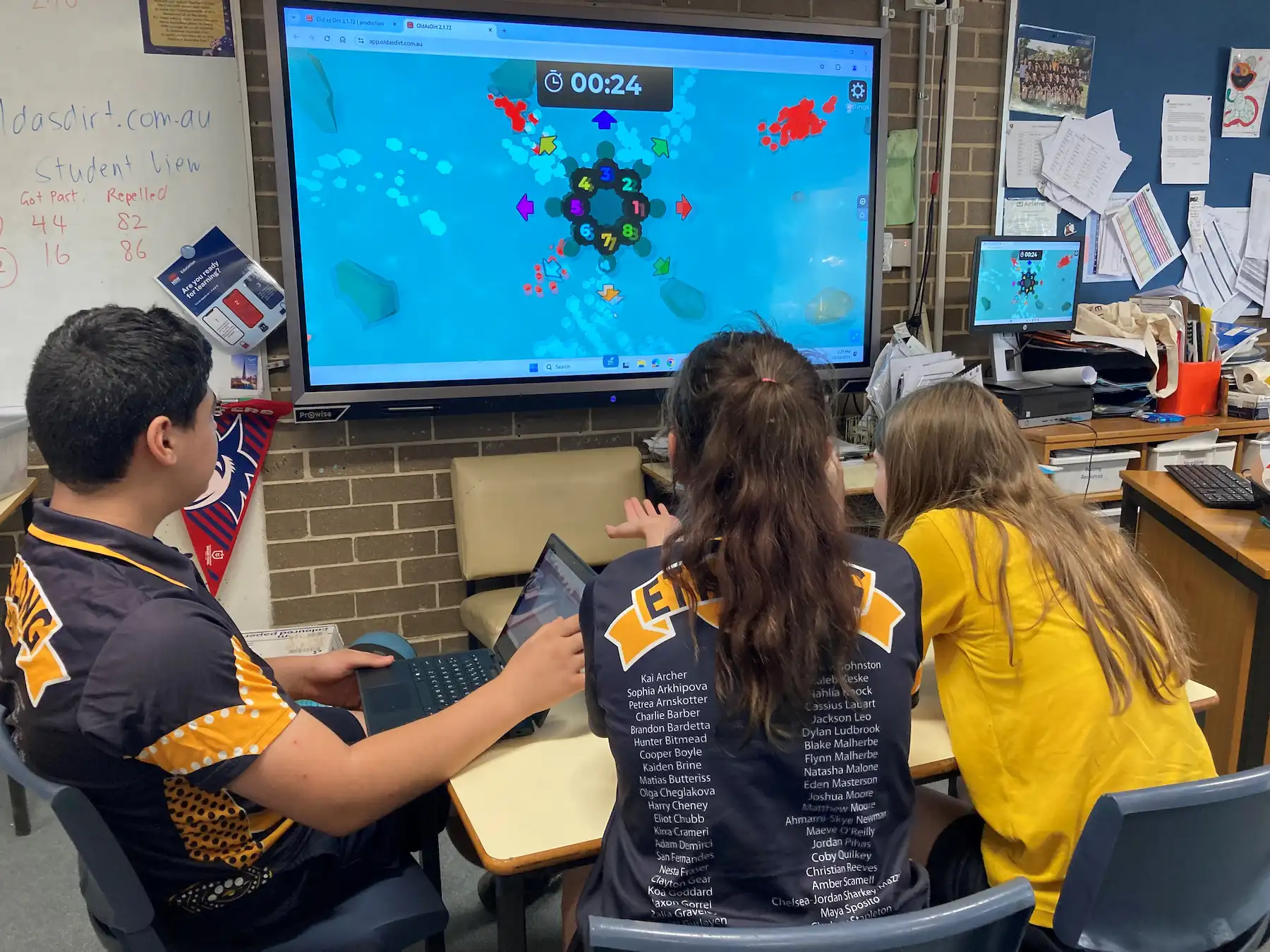

Game-based learning that transforms STEM education
CoRE Games provide innovative digital tools that make earth science engaging and accessible for students across Australia.
Curriculum aligned
Comprehensive support
Nationwide reach
Gamifying Earth Science
Innovative educational tools designed to make earth science engaging
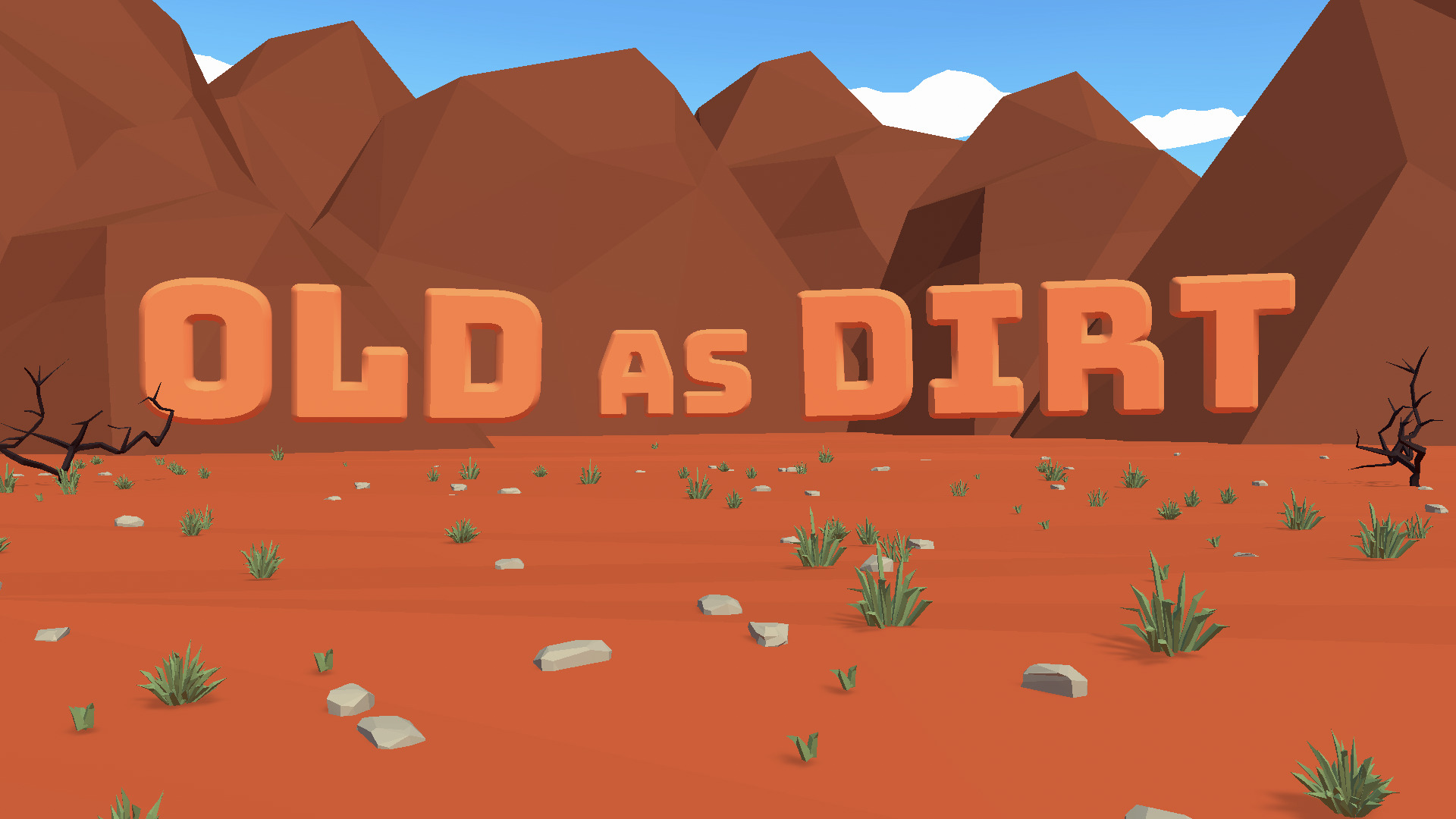
Old as Dirt
Old as Dirt immerses students in the iron ore mineral value chain, from how iron ore forms to how it’s mined, processed, transported, and exported. It connects earth science, technology, sustainability, and industry through real-world problem-solving and career exploration.
Browser-based accessibility
Teacher dashboards
Regular content updates
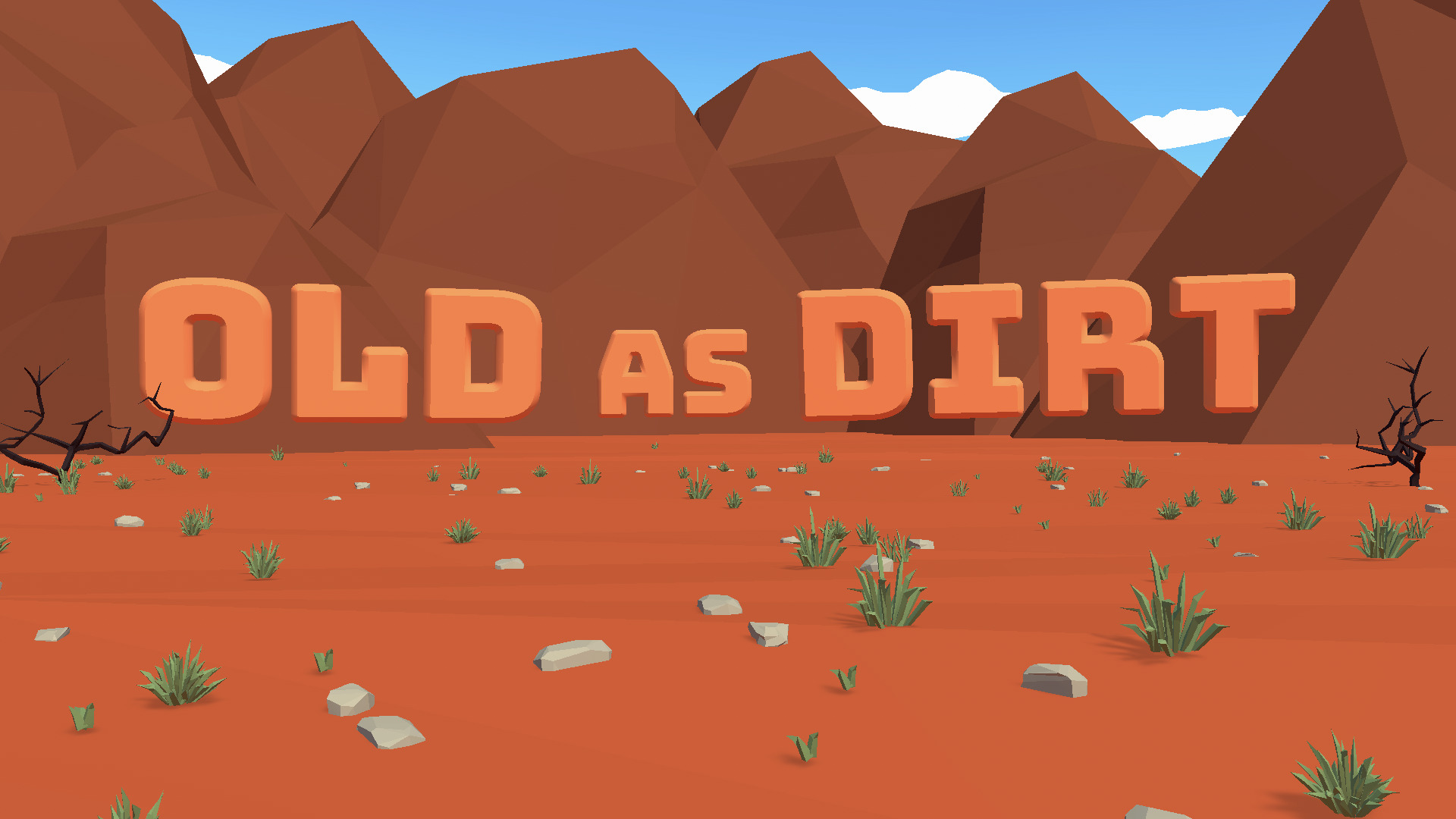
Explore 8 mini-games
In teams, students roleplay through a variety of resource industry careers and learn the rock cycle from ore to export, including subsea mining.
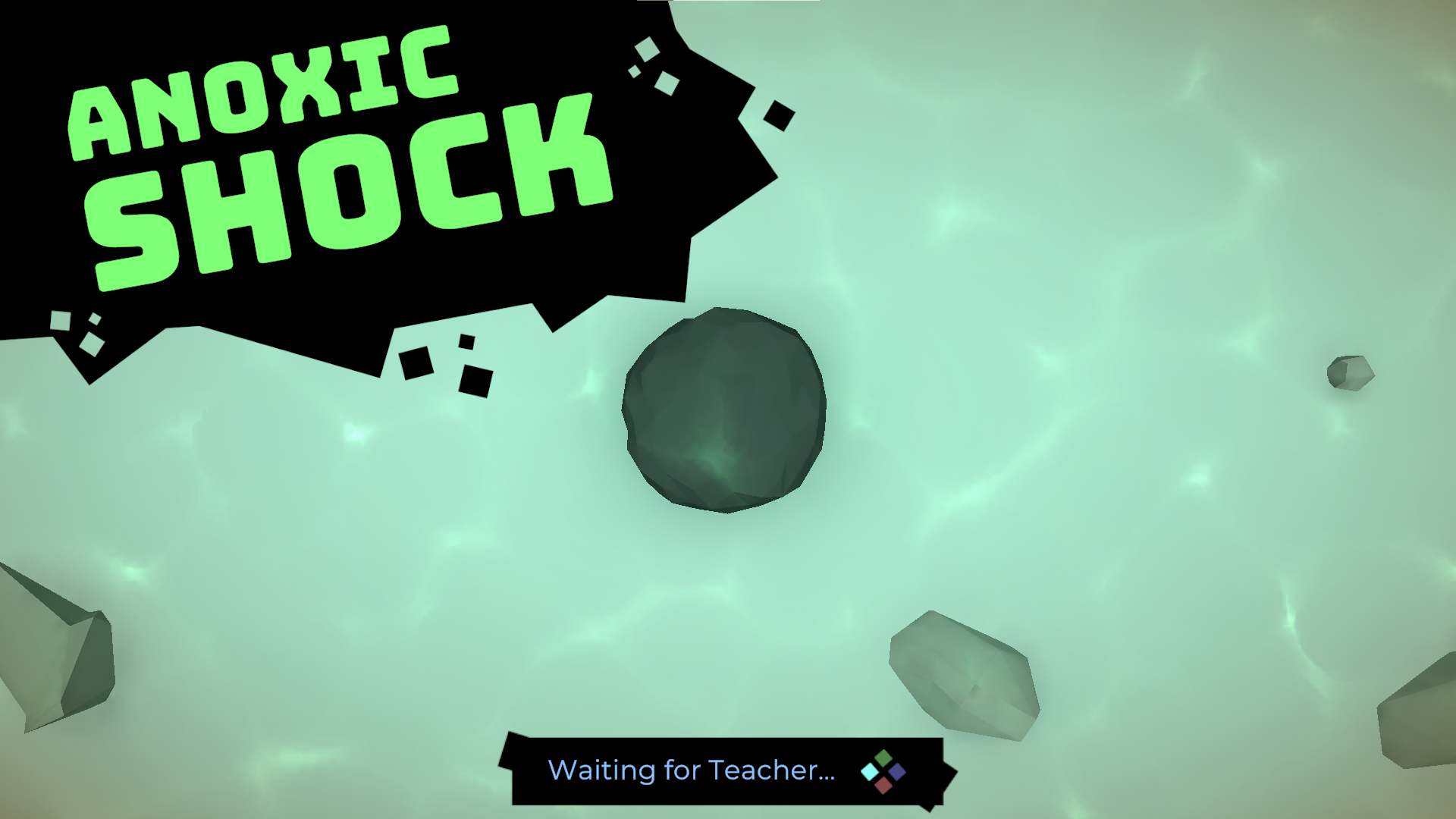
Anoxic Shock
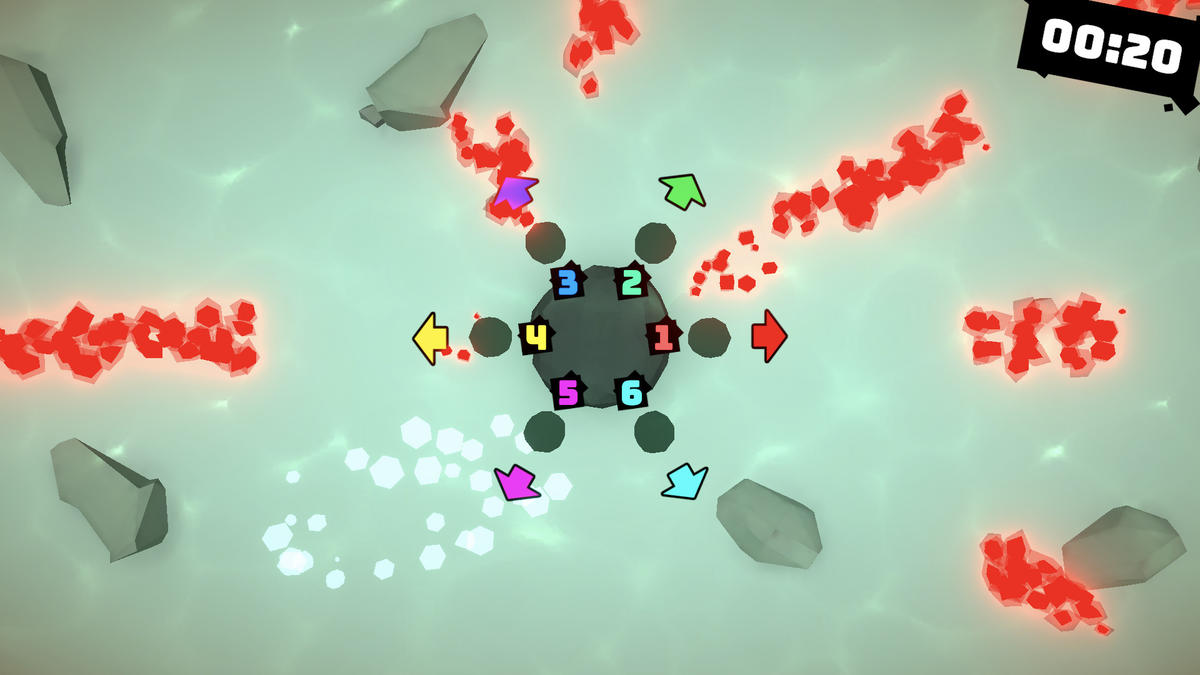
This game starts the Old as Dirt journey, describing how iron ore formed billions of years ago. It is a fast-paced game where student teams control a stromatolite and must coordinate to emit oxygen and to repel hostile anoxic microbes. Through play, they discover how photosynthesis drove the oxygenation of Earth's atmosphere and the formation of iron ore in deep Archaean Oceans of the ancient past.
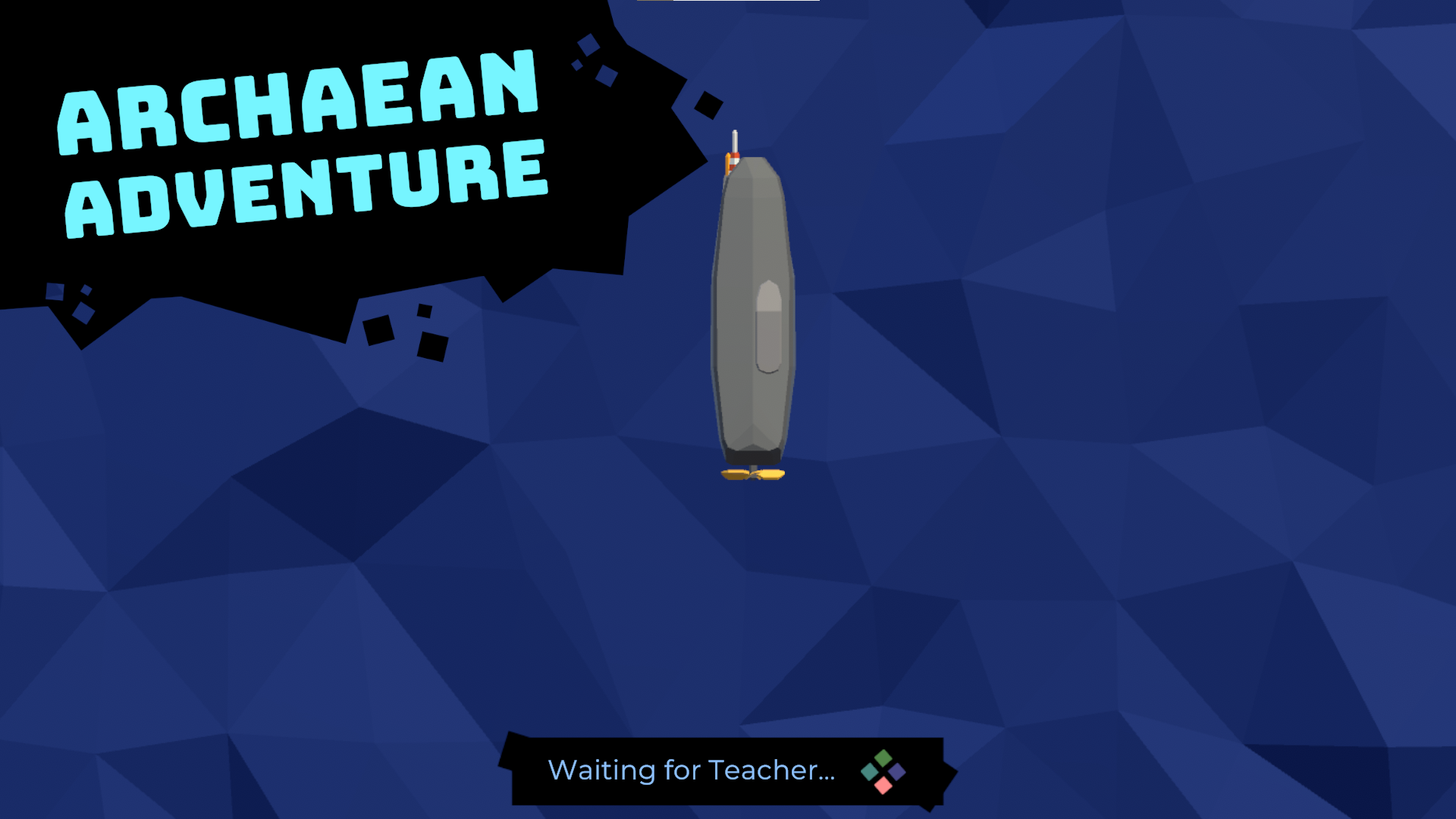
Archean Adventure
Oxygen is one ingredient in forming iron ore; the other is iron, potentially sourced from ancient hydrothermal vents. The student teams form part of a modern exploration company to explore the deep ocean for hydrothermal vents. They explore for these structures in a submarine, with each student team responsible for a different submarine operating station, such as the Helm, Engineering, Ops, Science, or an ROV. The teams must collaborate to navigate, read sensor data for pH, temperature, and mineral content, and deploy probes to locate all hydrothermal vents before their submarine's power runs out.
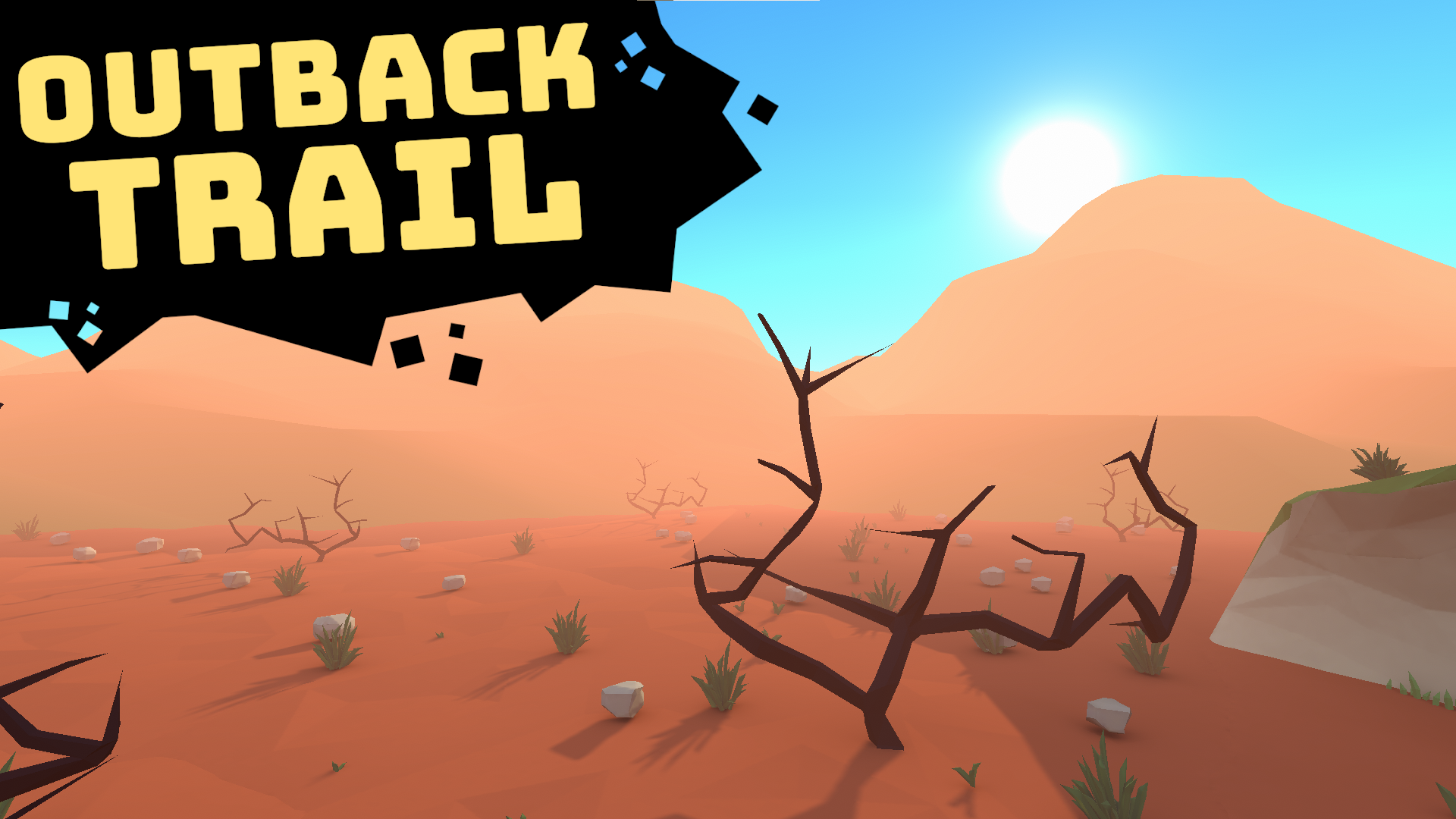
Outback Trail
The Pilbara Landscape is red; this is iron ore. This narrative-based game explores the beauty and geological make-up of Australia's Pilbara Region. Student teams join an Earth Scientist on location to discuss these ancient rocks and their interaction with earth systems. The teams vote on the direction of the conversation in this collaborative, non-competitive journey of discovery.
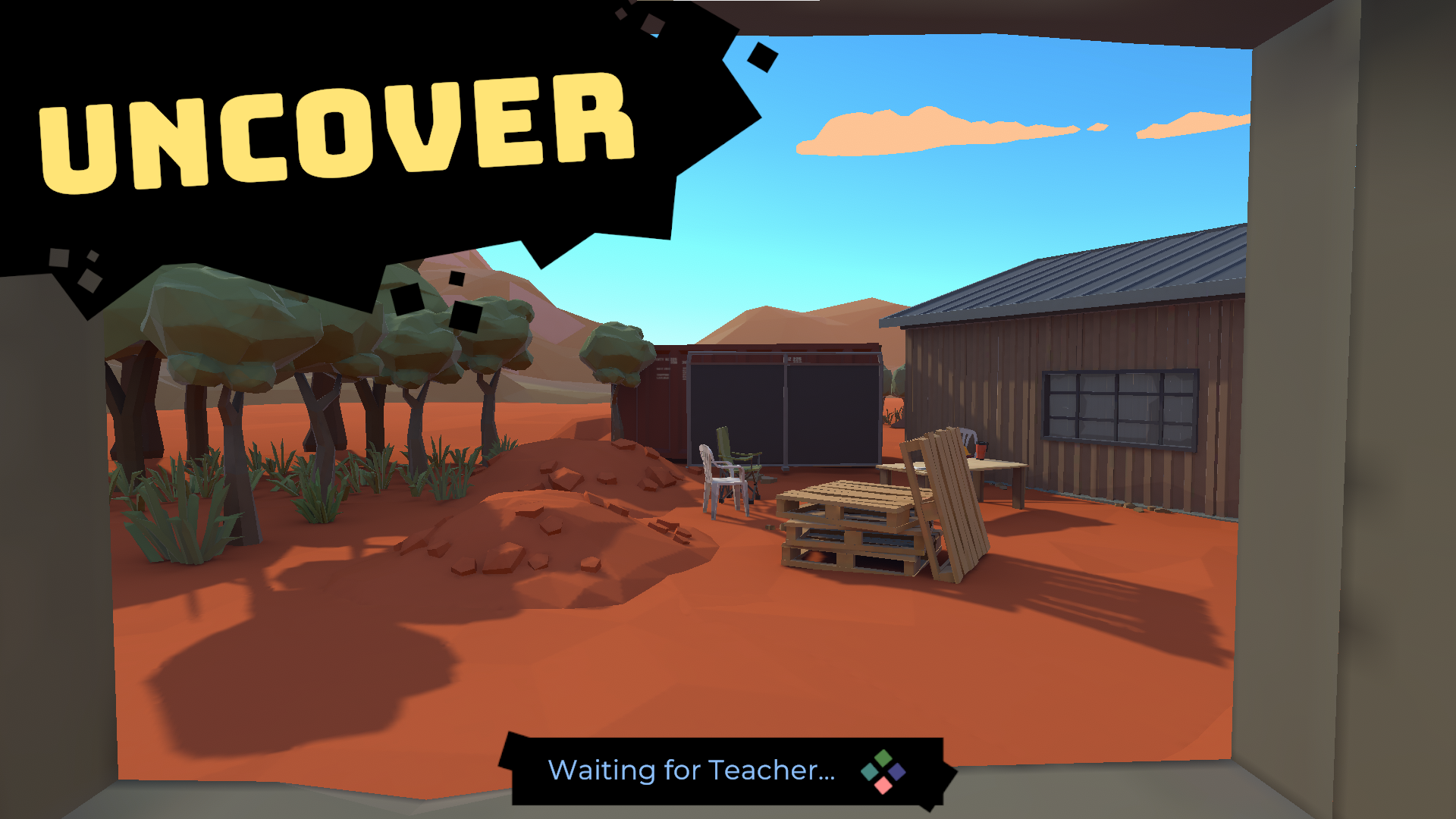
Uncover
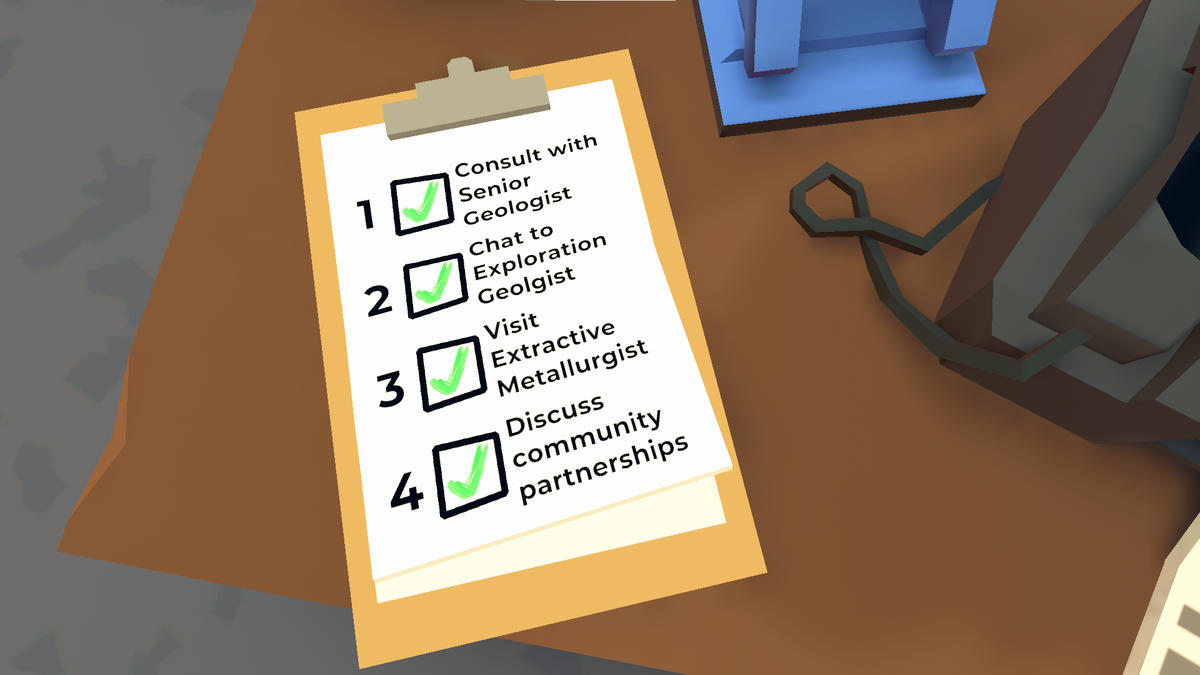
In order to have a mine we need to find the ore first! Student teams work through a checklist of twelve conversations with key people involved in the process of exploring for a new ore resource, from senior geologists and tenement officers to environmental scientists and community liaison officers. The class votes together on each conversation path, exploring the real processes behind responsible resource exploration.
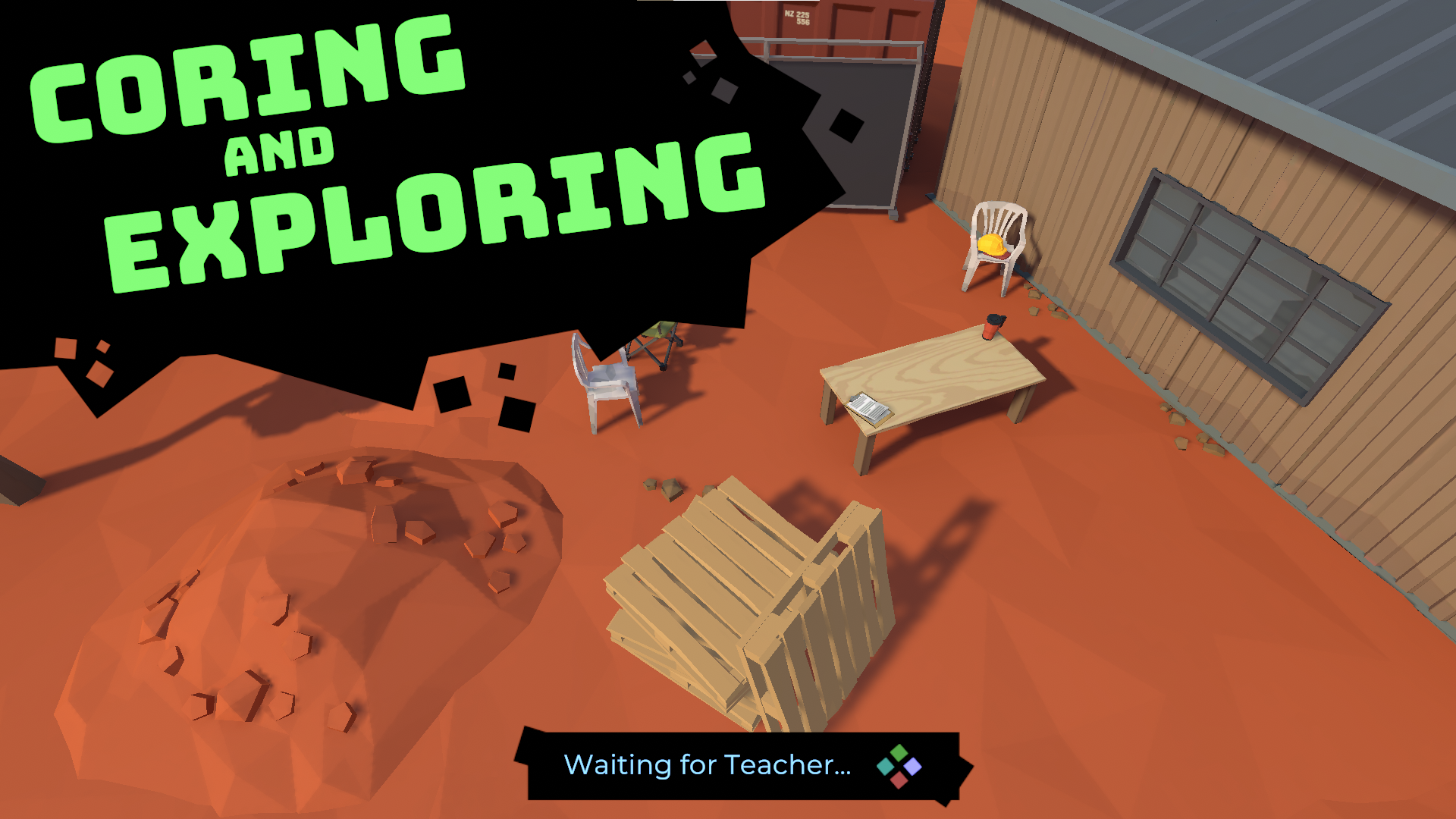
Coring and Exploring
Every rock tells a story! To know where the ore is in the rock sequence, student teams are presented with mystery core samples and must collaborate to identify rock or mineral that for each one. Every student team holds a unique fact, test, and guess. By sharing this information such as conductivity, permeability, and more, the teams piece together the clues data to correctly identify the rock or mineral.
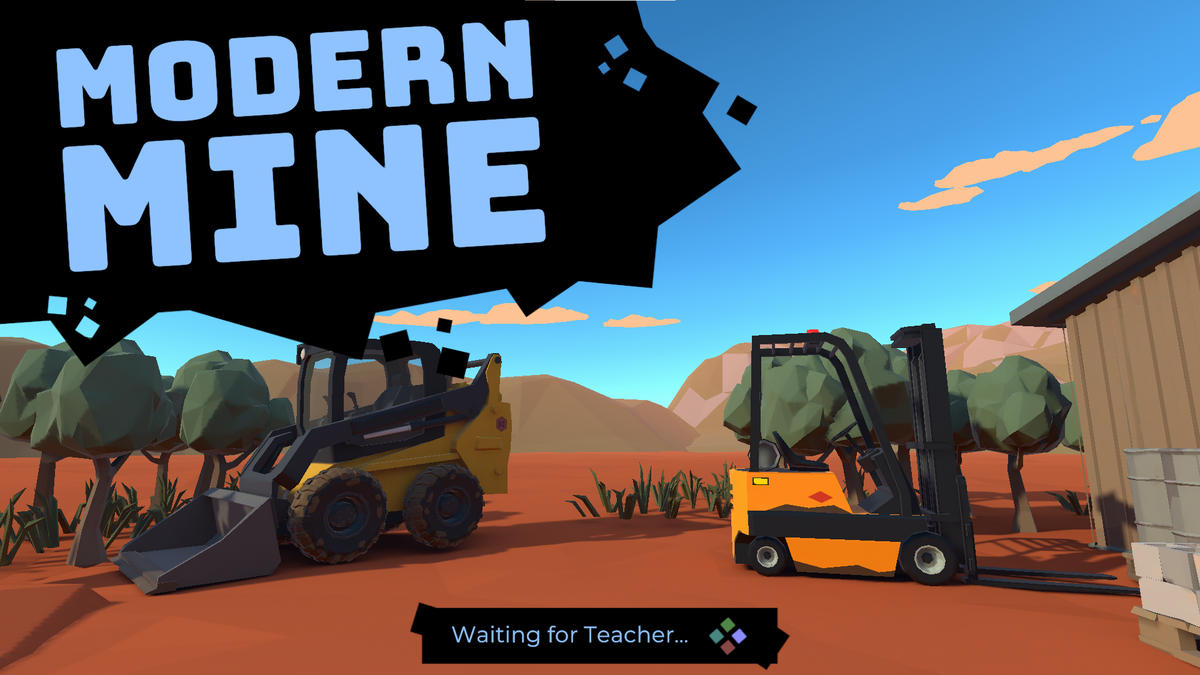
Modern Mine
With the rise in technology and automation, the Pilbara iron ore mines are revolutionising what a mine of the future looks like. In this conversation-driven game, student teams collectively choose from ten future mining careers, and how the modern mining industry unfolds. The mining careers are diverse, including sustainability experts to mine designers, that explore real contemporary industry challenges and career pathways.
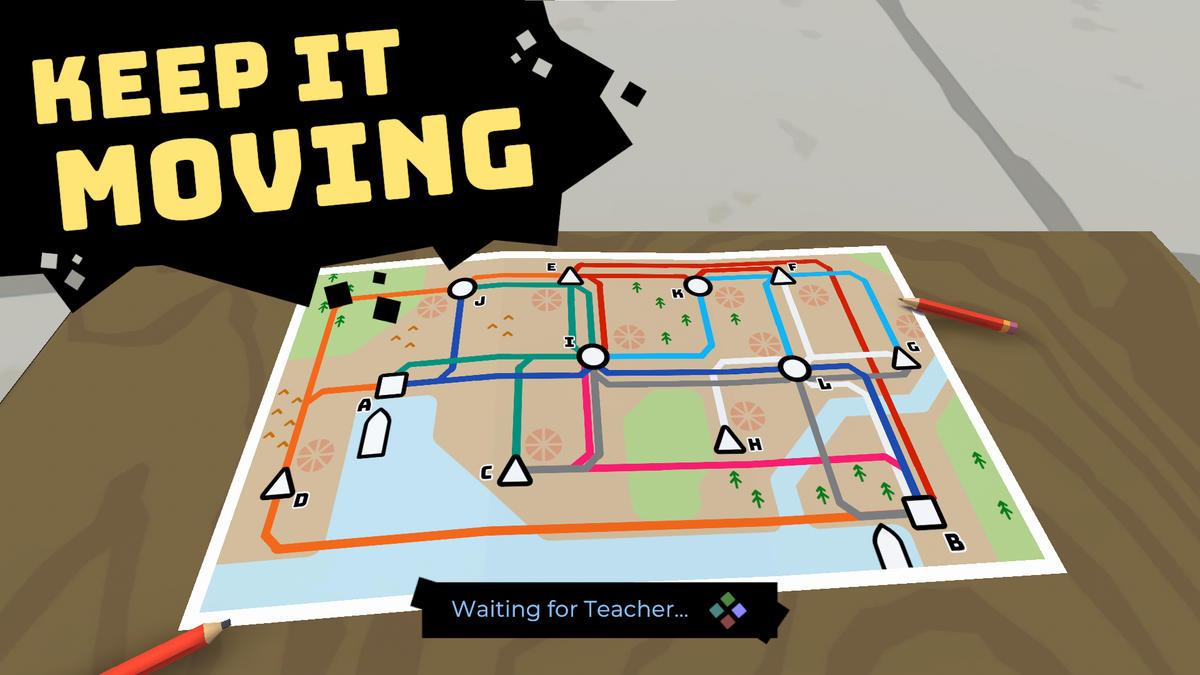
Keep it Moving
These iron ore pits occur in the heart of the Pilbara some 400 kms from the coast. To move this ore from the pit to port, student teams each control an iron ore train on a Pilbara railway network, moving iron ore from iron ore pits to ports via spurs. Each train is restricted to its own line, so student teams must coordinate handoffs at shared spurs to get ore to the different ports, racing against the clock to maximise the total shipment before time runs out.
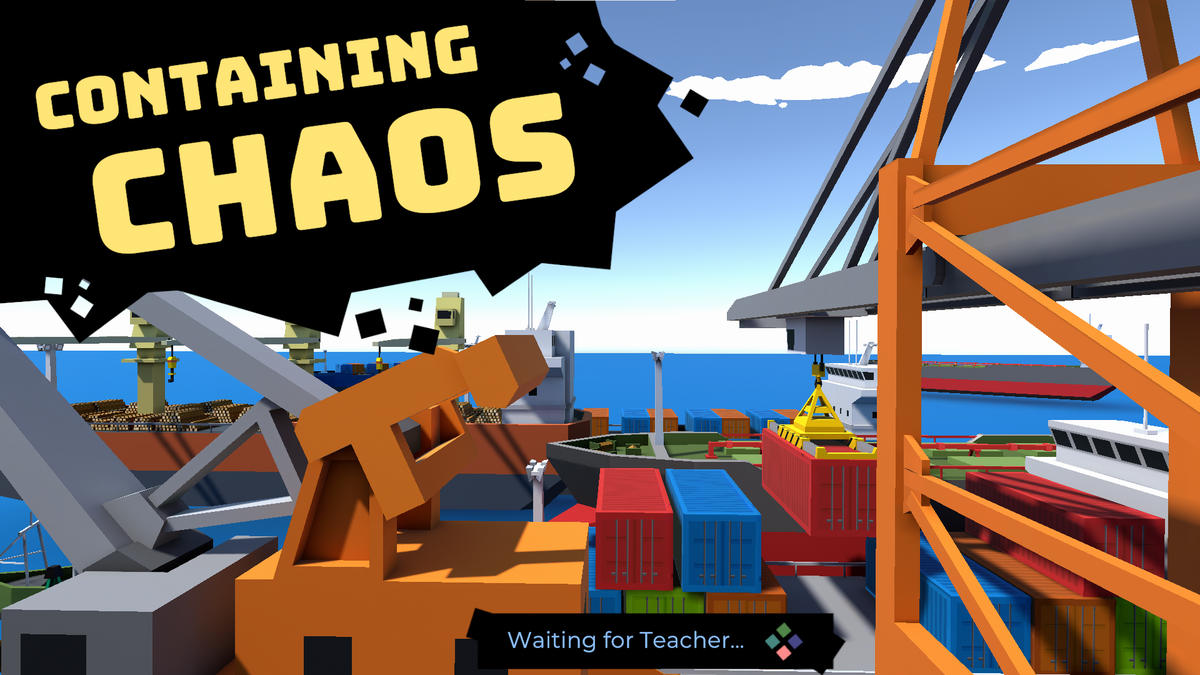
Containing Chaos
This is the final game of the Old as Dirt sequence. Student teams operate remote cranes at a shipping port, loading containers onto iron ore barges. Each crane executes actions in sequence, so student teams must communicate their loading orders, share information about container types, and coordinate their timing to load as many containers correctly as possible before turns run out.
Resource! Respond! Rescue!
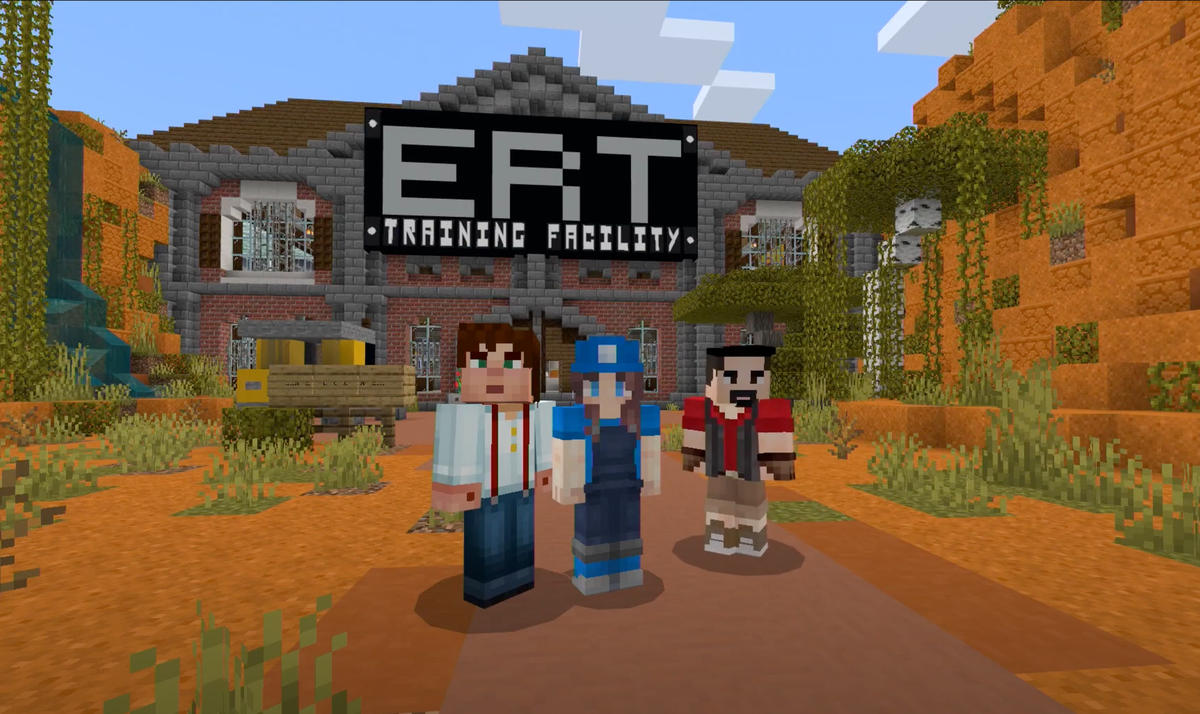
Resource! Respond! Rescue! places student teams in a gold and copper mining town in Northern Australia, where they take on the roles of an emergency response team, training to produce mitigation strategies against natural disasters such as bushfires, floods, earthquakes, and tsunamis. Built in Minecraft: Education Edition, the game teaches resilience, STEM application, and teamwork under pressure.
Realistic scenarios
Collaborative problem-solving
4 disaster scenarios
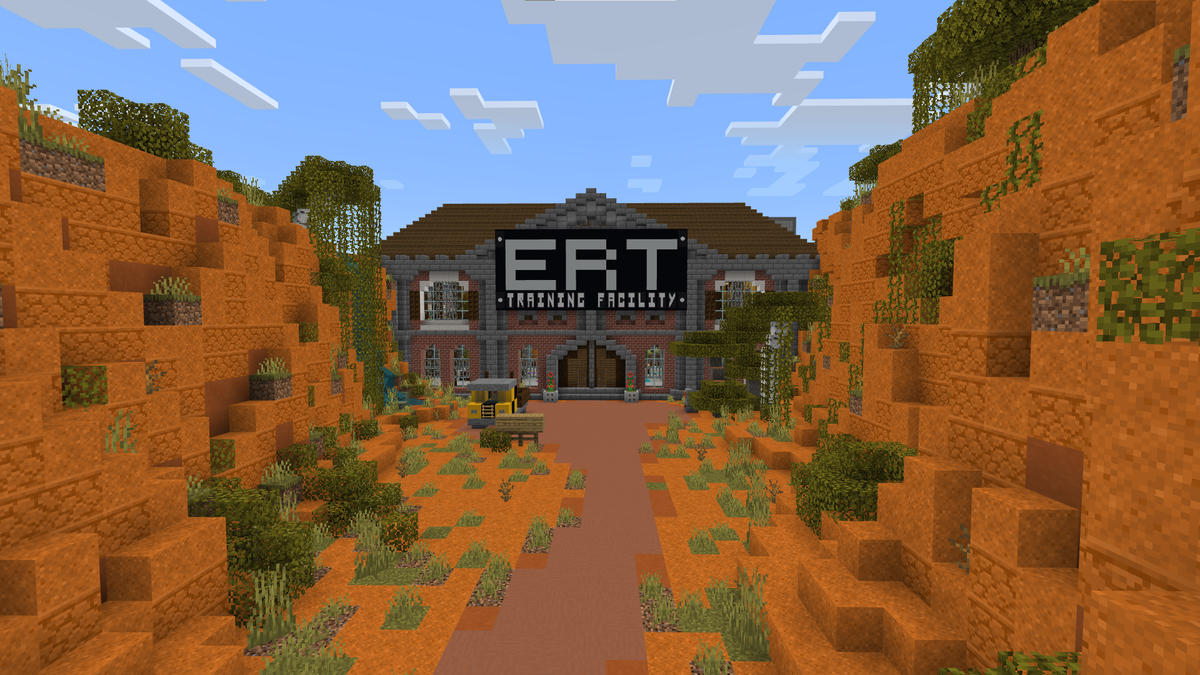
Explore each scenario
Experience four realistic natural disaster scenarios that develop critical thinking and teamwork skills.
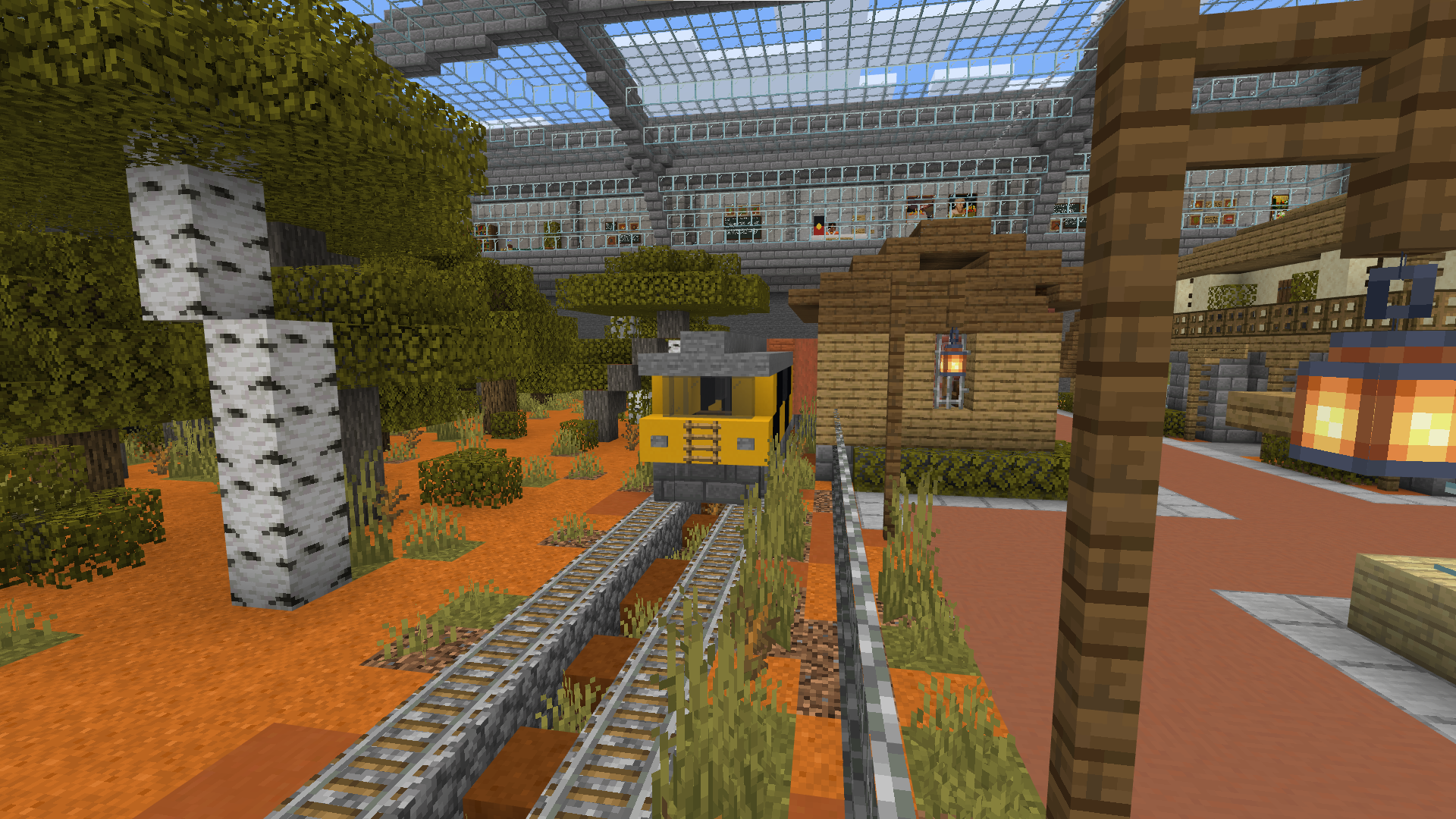
Quartz Ridge & The Bushfire
Students join the Emergency Response Team to develop mitigation strategies for a gold and copper mining town and its railway line against a potential bushfire. They investigate combustion reactions, energy transformations and transfers. The Emergency Response Team tests 14 mitigation strategies to save Quartz Ridge and its railway line.
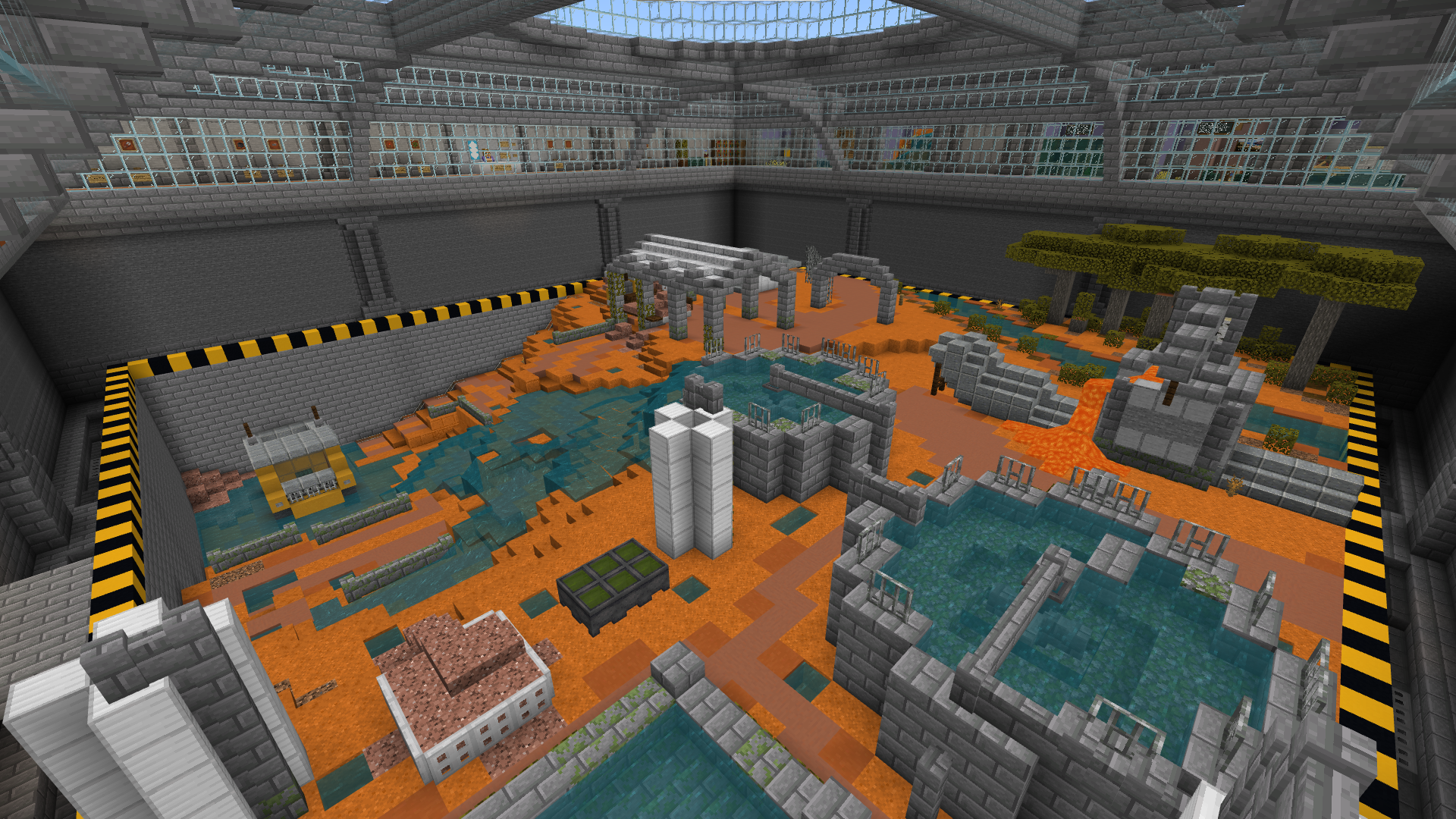
Midas Mine & The Flood
To mitigate against flooding derived from tropical storms that may threaten the Midas open-pit copper-gold mine. Student teams take on the roles of hydrologists, meteorologists, and engineers to explore the water cycle, erosion, and drainage systems to design mitigation strategies and protect the mine's infrastructure.
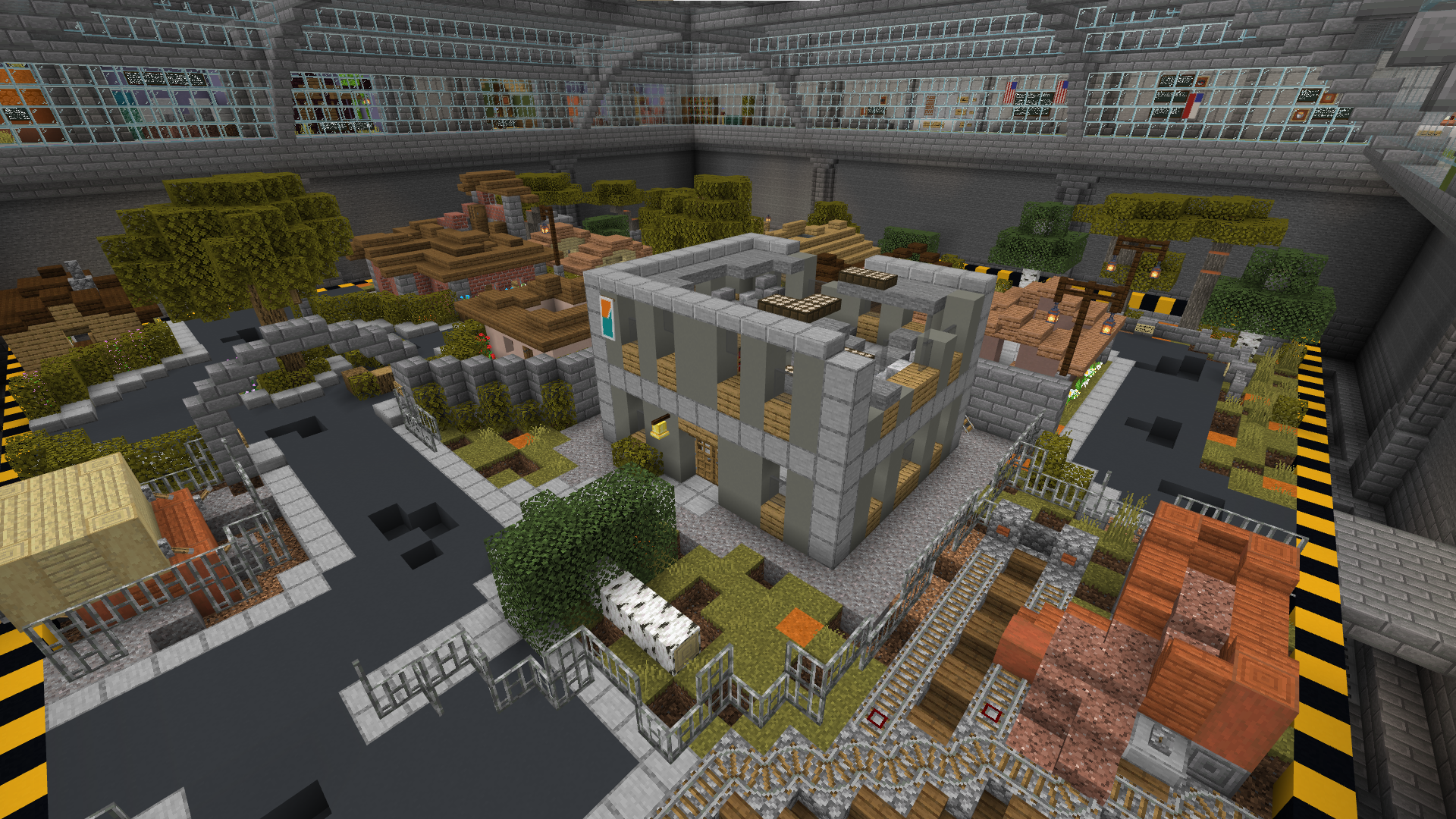
Rattlerock & The Earthquake
Rattlerock is situated in a tectonically active area. To ensure that Rattlerock and its logistical hub that connects the mine, railway, and town have the best measures in place to protect it if an earthquake strikes, the ERT examines the best mitigation strategies for this purpose. Students explore plate tectonics, seismic forces, and earthquake-proof engineering alongside NPC seismologists and civil engineers to restore operations and protect critical infrastructure.
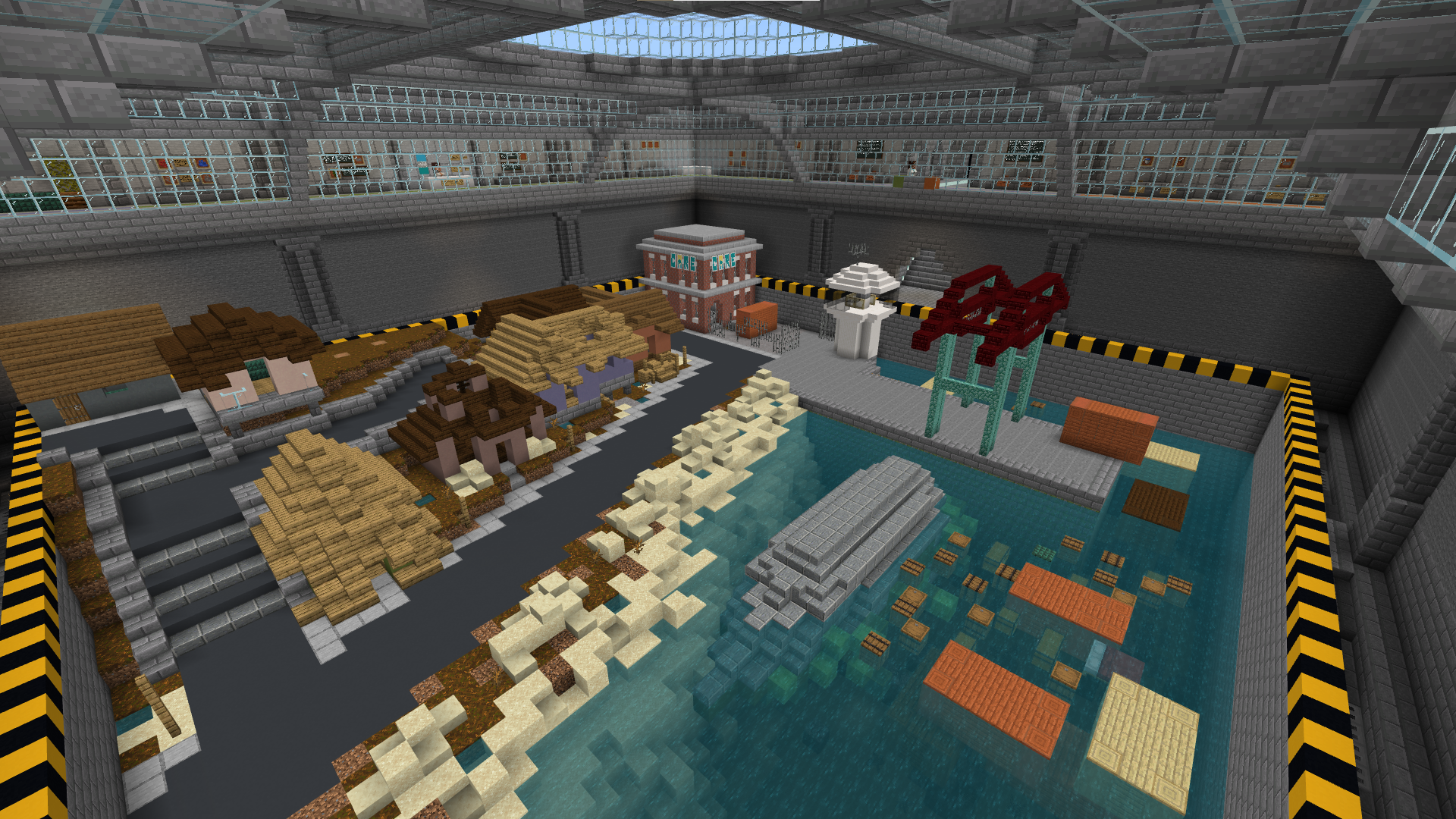
Shantytown & The Tsunami
Located close to the Pacific Rim of Fire, any movement along plate boundaries could generate a tsunami that could swamp the port at Shantytown. The ERT is tasked with experiencing and developing mitigation strategies to minimise the impact of a tsunami on this town, its infrastructure and community. The student teams investigate wave energy, tectonic displacement, and protective structures to develop processes to safeguard lives, the port, and the mine's export operations.
Contact us
Talk to us about our games.
Stories & Updates
Stay updated with our latest news and highlights.